
The Basics of Casino Odds
Understanding casino odds is essential for anyone wanting to engage in gambling, as knowing the best online casino options can greatly enhance your experience. Odds in a casino represent the probability of winning a game, and they vary significantly between different types of games. For example, in a game of roulette, the odds will differ depending on whether you are betting on a single number or on red or black. Familiarizing yourself with these odds can help you make more informed decisions as you play.
In most casino games, the house always maintains an edge. This edge ensures that, over time, the casino will earn more from players than it pays out. For instance, in black jack, the house advantage is typically around 1% if played with optimal strategy, but it can increase if players make mistakes. Recognizing this house edge can help players understand that while they might win in the short term, the odds are stacked against them in the long run.
To truly grasp how you might “beat the odds,” it’s crucial to acknowledge that luck plays a significant role. While strategy and skill can enhance your chances—especially in games like poker or blackjack—there’s no guaranteed way to win every time. Therefore, it’s vital to approach gambling with the right mindset, recognizing that losing is a possibility, and should be part of your expectations when engaging in these activities.
The Psychology of Gambling
The psychology behind gambling is a fascinating subject that can influence how players engage with casino games. Many people are drawn to the thrill of potentially winning big, which taps into emotions like excitement and hope. This psychological pull can sometimes lead to riskier behaviors, as players may chase their losses or believe they are on a “winning streak.” Understanding these psychological factors can help players make more rational decisions.
Casino environments are intentionally designed to enhance this psychological experience. Bright lights, vibrant colors, and the sounds of coins clinking all contribute to a sensory overload that keeps players engaged. This stimulation creates a feeling of euphoria and can lead to extended play, sometimes resulting in significant losses. Players should be aware of these psychological tactics and consider setting limits to their gambling activities.
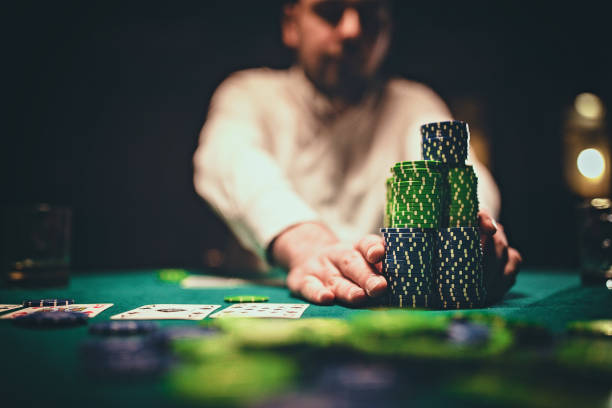
Moreover, the concept of “near misses” plays a significant role in the gambling experience. For example, when a player gets close to winning but ultimately loses, it can trigger a strong emotional response that encourages them to continue playing. This phenomenon can often lead people to believe that they are more skillful than they actually are. Understanding such psychological mechanisms could help gamblers develop a healthier approach to their gameplay, allowing them to enjoy the experience without falling into detrimental patterns.
Strategies to Improve Your Chances
While there’s no surefire way to guarantee wins in a casino, certain strategies can help improve your chances of walking away with profit. For example, learning the rules and strategies specific to certain games can significantly reduce the house edge. In games like blackjack, employing basic strategies such as knowing when to hit or stand can enhance your odds considerably. Knowledge is power, especially in skill-based games where strategies can shift the balance slightly in your favor.
Another effective strategy involves bankroll management. Setting a budget before you start playing can help you control your spending and make more rational decisions while gaming. By sticking to this budget, players can avoid the emotional pitfalls of chasing losses or spending more than they can afford. It’s essential to view any gambling activity as a form of entertainment rather than a reliable source of income.
Lastly, consider the timing of your gambling sessions. Incidents of tiredness or stress can affect decision-making abilities, leading to poor choices. Planning your gaming sessions during times when you are alert and focused can ensure that you are making the best decisions possible. While strategies can enhance your odds, it’s still important to approach casino play with the understanding that it should primarily be fun and recreational.
The Role of Skill vs. Luck
The debate over skill versus luck in casinos is perpetual, but both elements play important roles in different games. In skill-based games like poker and blackjack, players can influence outcomes through strategy and decision-making. For instance, a skilled poker player can read their opponents and use this information to make better bets, increasing their chances of winning. However, even the most skilled player cannot ignore the role that luck plays in the cards they receive.

On the other hand, luck is the dominant factor in games of chance, such as slot machines or roulette. In these cases, no level of skill can change the outcome, as results are determined by random number generators or spinning wheels. Understanding the nature of the games you are playing is crucial, as it can guide your approach and expectations. Players situated in skill-based environments should embrace the strategic aspect, while those playing games of chance should prepare for a more unpredictable experience.
This interplay between skill and luck highlights the diversity of gambling experiences available. Players should align their skill sets and personal preferences with the types of games they choose to engage in. Whether you are a strategist or a risk-taker, recognizing how both elements contribute to winning can lead to a more enjoyable experience at the casino.
Conclusion: Embrace the Experience Responsibly
In conclusion, while there are strategies to enhance your experience at the casino, the odds are ultimately challenging to beat consistently. It is essential to approach gambling with a clear understanding of its nature and the risks involved. The most important aspect of casino gaming should be the enjoyment derived from the experience rather than purely the pursuit of profit.
Responsible gambling practices can greatly improve your overall experience. By recognizing the entertainment value of games and setting limits, you can find a balance that allows for both enjoyment and respect for your financial boundaries. Gambling should be seen as a form of leisure, and when approached correctly, it can be a fun and thrilling pursuit.
Whether you’re a seasoned player or a newcomer, always prioritize learning and setting boundaries. Remember, every game has its ups and downs, and while some may occasionally beat the odds, the majority will find that the house always has its edge. Enjoy your time at the casino, but do so with a mindset focused on fun and enjoyment rather than solely winning.